Best UFC Betting Sites in the UK: Bookmaker Comparison by Markets, Odds, and Features
 Available in US
- What Makes a Sportsbook Suitable for UFC — Beyond the Bonus Banner
- Six Criteria We Use to Evaluate UFC Bookmakers
- Market Depth: How Many UFC Bet Types Each Sportsbook Offers
- Odds and Margins: Where You Keep More of Your Winnings
- Mobile Apps: Rating the UFC Betting Experience on iOS and Android
- UFC Bet Builders and Same-Game Parlays: Platform Comparison
- Withdrawal Speed, Payment Methods, and Customer Support
- Questions About Choosing a UFC Betting Site
What Makes a Sportsbook Suitable for UFC — Beyond the Bonus Banner
Last year I helped a friend set up his first UFC betting account. He’d chosen a sportsbook based entirely on a welcome offer he’d seen advertised during a football broadcast. The first UFC card he wanted to bet on, the platform offered exactly two markets per fight: moneyline and over/under total rounds. No method of victory. No round betting. No props. He could have got better coverage from a pub conversation. It was a perfectly good football sportsbook that happened to treat UFC like an afterthought — and that’s the norm, not the exception.
The UK has 5,825 licensed betting shops and hundreds of online operators holding UKGC licences. The vast majority of them technically offer UFC betting. The number that do it well — with deep markets, competitive margins, responsive live odds, and functional bet builders for MMA — is dramatically smaller. Understanding the difference between “offers UFC” and “is built for UFC” is the single most consequential decision a UK MMA bettor makes, and it’s one that most punters never consciously make at all.
What follows isn’t a ranked list of bookmakers. I won’t tell you which operator to use because the right choice depends on what you prioritise — market depth, price, mobile experience, live betting quality, or withdrawal speed. Instead, I’ll walk through the criteria that actually matter for UFC-specific betting, explain how to evaluate them yourself, and highlight the features that separate a sportsbook suitable for MMA from one that merely tolerates it.
See also: bet on ufc fights for UK bookmaker reviews and rankings.
Six Criteria We Use to Evaluate UFC Bookmakers
When someone asks me which bookmaker to use for UFC, my first question is always: “What kind of bettor are you?” A casual punter who places one moneyline bet per card has fundamentally different needs than someone running a prop-heavy approach across every fight on a numbered event. There is no universally “best” sportsbook — there’s only the best sportsbook for your specific betting profile.
That said, I evaluate every UKGC-licensed platform for UFC betting against six criteria, and I’ve found that performance across these six areas predicts my overall satisfaction better than any marketing material or welcome offer ever could.
The first criterion is market depth — the number and variety of bet types available for a given UFC fight. A sportsbook offering only moneyline and over/under rounds is fundamentally limited. One offering moneyline, method of victory, exact round, grouped rounds, fight to go the distance, individual fighter props, and bet builders is a different product entirely. Market depth determines the range of strategies you can execute.
The second is odds competitiveness — not just the headline price on the favourite, but the margin (overround) across the full market. A platform that appears to offer a competitive favourite price but inflates the underdog’s odds is extracting margin in a less visible place. The overround on a UFC bout tells you the true cost of betting at that sportsbook.
The third criterion is live betting quality. Does the platform offer continuous live odds during rounds, or only between rounds? How many live markets are available? How quickly do the odds update? For anyone interested in in-play UFC betting, this criterion alone can be decisive.
Fourth is mobile experience. UFC events often run on Saturday evenings in the UK, and most punters watch and bet from their phones. An app that loads slowly, buries UFC markets three taps deep in the navigation, or crashes during high-traffic events is functionally useless regardless of how good its odds are.
Fifth is bet builder functionality. Same-game parlays — combining moneyline, method, and round selections into a single UFC bet — are increasingly popular and increasingly available. But the number of legs you can combine, the types of markets eligible for builders, and the correlation restrictions imposed vary enormously between platforms.
Sixth, and often overlooked, is withdrawal speed and payment flexibility. A sportsbook that takes three to five business days to process a withdrawal versus one that processes within hours creates a materially different experience, particularly if you’re managing a bankroll across multiple platforms.
Market Depth: How Many UFC Bet Types Each Sportsbook Offers
I once counted the individual markets available on a UFC title fight across four different sportsbooks on the same evening. The range was striking: one platform offered 14 distinct markets, another offered 47. Same fight, same fighters, same octagon — but a threefold difference in the ways you could bet on it. That gap directly translates into strategic flexibility.
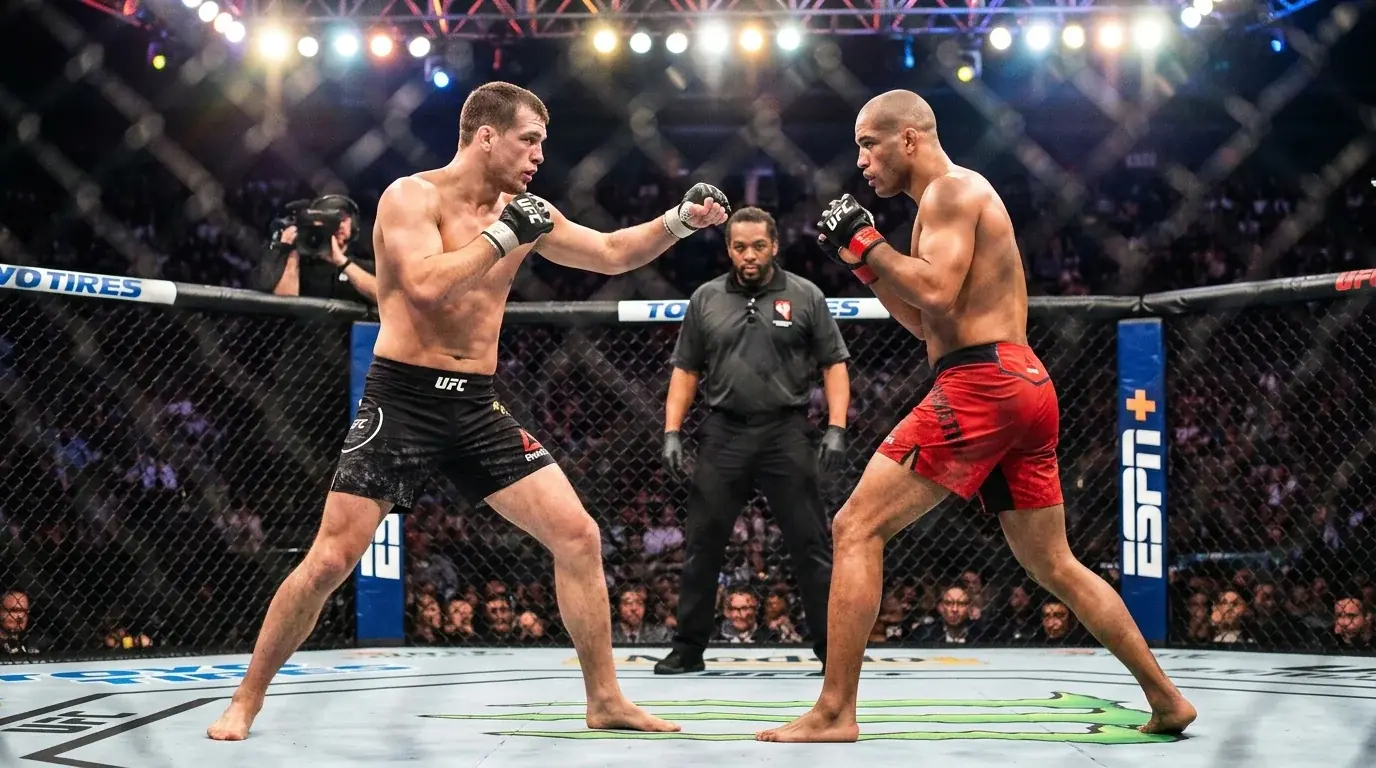
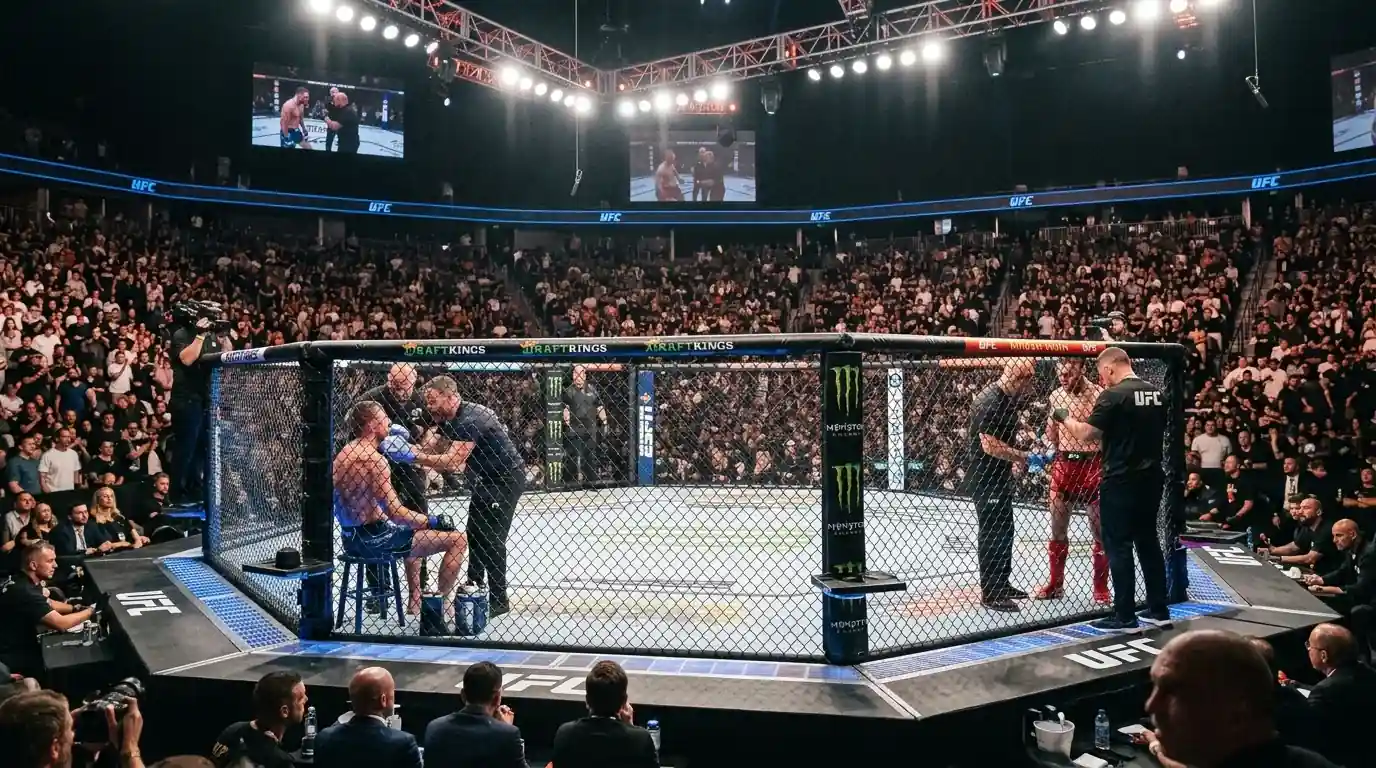
The UFC runs 43 live events annually — 13 numbered cards and 30 Fight Night events. On numbered cards, the headline bouts typically attract the deepest market coverage. Main event title fights will have the widest selection of props at any reputable sportsbook. As you move down the card to the co-main, the featured prelim, and the early prelims, market depth thins progressively. This is normal and reflects the economics of pricing: creating and maintaining odds for dozens of markets requires risk management resources, and sportsbooks allocate those resources proportionally to expected betting volume.
The markets that differentiate a serious UFC sportsbook from a casual one include method of victory with full granularity (KO/TKO, submission, and decision as separate selections for each fighter — six outcomes total, not three), exact round betting (requiring odds for each individual round), grouped round betting (rounds 1-2, rounds 3-4, etc.), fight to go the distance (yes/no), and individual fighter props (significant strikes over/under, takedowns over/under). A platform that offers all of these for at least the top four fights on a numbered card is treating UFC seriously. One that offers only moneyline and total rounds is treating it as a box-ticking exercise.
Fight Night cards, which air on free-to-air or subscription television rather than pay-per-view, receive significantly less market depth at most sportsbooks. This creates an interesting asymmetry: Fight Night events are less efficient from a pricing standpoint (less sharp money, less bookmaker attention) but also offer fewer markets to exploit that inefficiency. If you’re a prop-focused bettor, your edge is concentrated on numbered cards. If you’re a moneyline specialist, Fight Night events may offer better value precisely because the market is thinner.
PFL, Cage Warriors, and other MMA promotions outside the UFC receive minimal coverage at UK sportsbooks. If you’re interested in betting on non-UFC MMA, market depth drops further — often to moneyline only, with wider margins and later line releases. The UFC’s dominance isn’t just commercial; it extends directly to the quality of the betting product available.
Odds and Margins: Where You Keep More of Your Winnings
Here’s a number that should bother every UFC bettor who uses only one sportsbook: on a typical main card fight, the difference in implied margin between the tightest and widest operator I’ve tracked has been as large as 5 percentage points. On a £50 bet, a 5% margin difference might only cost you a couple of pounds. Across 200 bets in a year, it’s the difference between a profitable season and a losing one.
bet365 becoming the UFC’s Official Sports Betting Partner in March 2026 — replacing DraftKings’ five-year, $350 million deal — signals where the competitive pressure on UFC odds is heading. Trip Stoddard described the partnership as a commitment to sports where live action and fan engagement are inseparable. When a major operator invests at that scale in a UFC relationship, it typically corresponds with tighter margins on UFC markets as the operator uses competitive pricing to justify the partnership’s volume expectations.
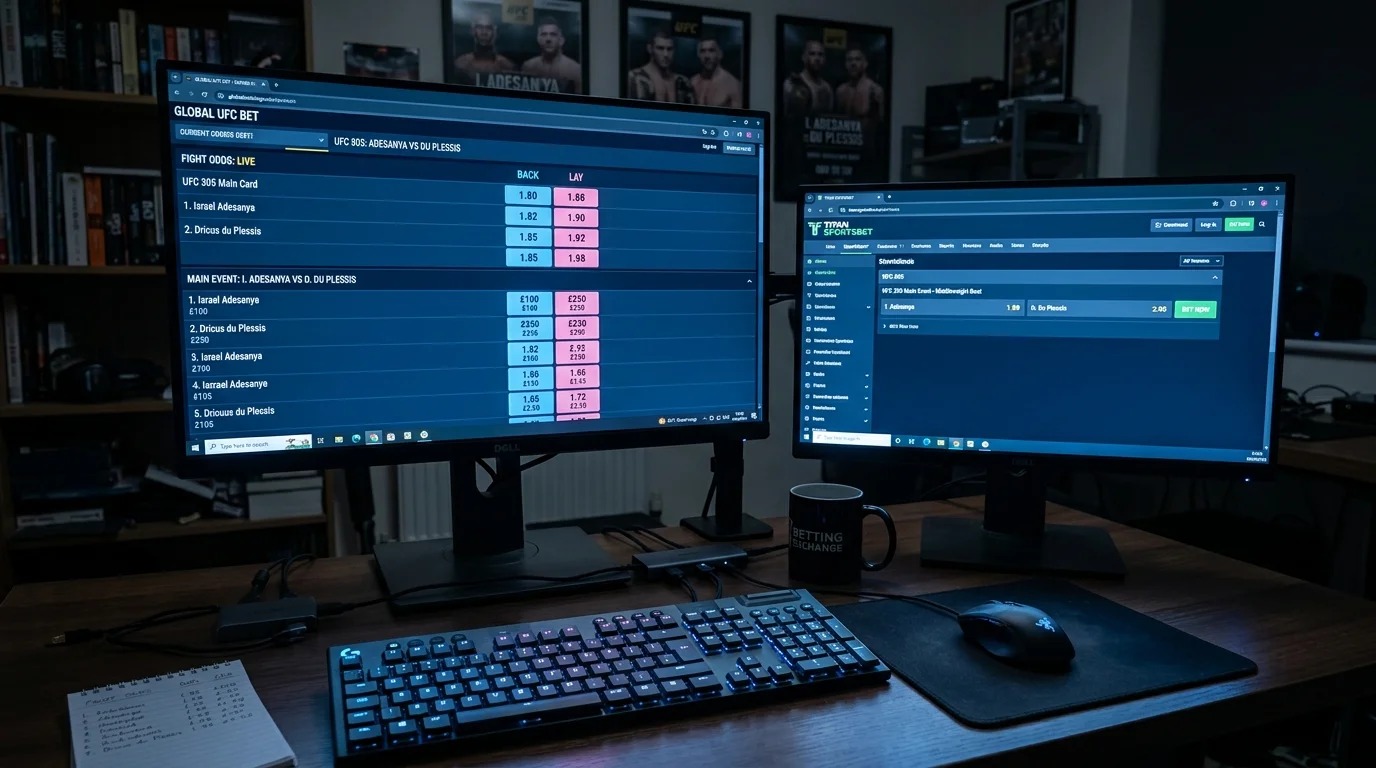
Measuring odds competitiveness requires comparing the overround, not just the headline price. A sportsbook might offer the best price on the favourite but compensate with an inflated underdog price, resulting in a higher overall margin than a competitor whose individual prices look less attractive. The only reliable comparison method is to calculate the combined implied probability for both fighters at each sportsbook and identify who consistently runs the lowest overround.
I track overrounds across five UKGC-licensed sportsbooks for every UFC numbered event. The pattern is consistent: platforms with the tightest football margins don’t automatically have the tightest UFC margins. UFC pricing is a separate competency, and some operators invest more in their MMA trading teams than others. The practical takeaway is to evaluate sportsbooks on their UFC-specific margins, not on their reputation from other sports.
Line shopping — comparing prices across multiple bookmakers before placing a bet — is the simplest, most effective edge available to any UFC bettor. It requires accounts at three or four platforms and an extra sixty seconds of work per bet. That’s it. No analytical model, no insider knowledge, no complex strategy. Just the discipline to take the best available price every time. Over a season, line shopping adds an estimated 1-3% to your return on investment. In a thin-margin activity like sports betting, that’s enormous.
Mobile Apps: Rating the UFC Betting Experience on iOS and Android
I once missed a live bet on a championship fight because the sportsbook’s app crashed during the round break. Sixty seconds to place a bet, and I spent fifty of them staring at a loading spinner. That experience taught me something that sounds obvious but most bettors never test: your mobile app matters more than your odds if you can’t actually place the bet when you need to.
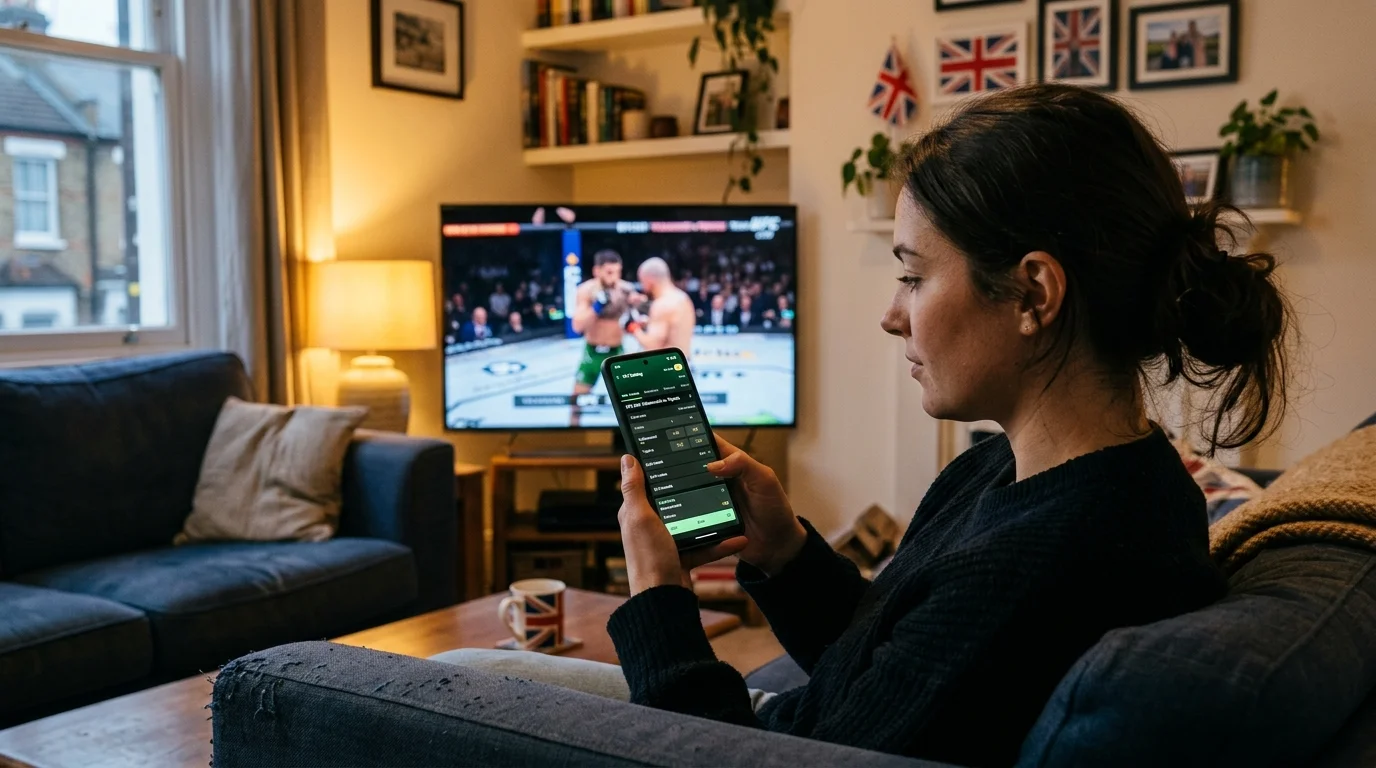
UFC events frequently run late into the evening UK time — numbered cards from Las Vegas often don’t reach the main event until 5 or 6 AM. You’re not sat at a desktop for those. You’re on your phone, on the sofa, possibly half-asleep. The mobile experience isn’t a convenience feature for UFC betting — it’s the primary interface. An app that loads slowly, crashes under load during popular events, or requires five taps to reach the fight you want to bet on isn’t fit for purpose, regardless of how sharp its odds are.
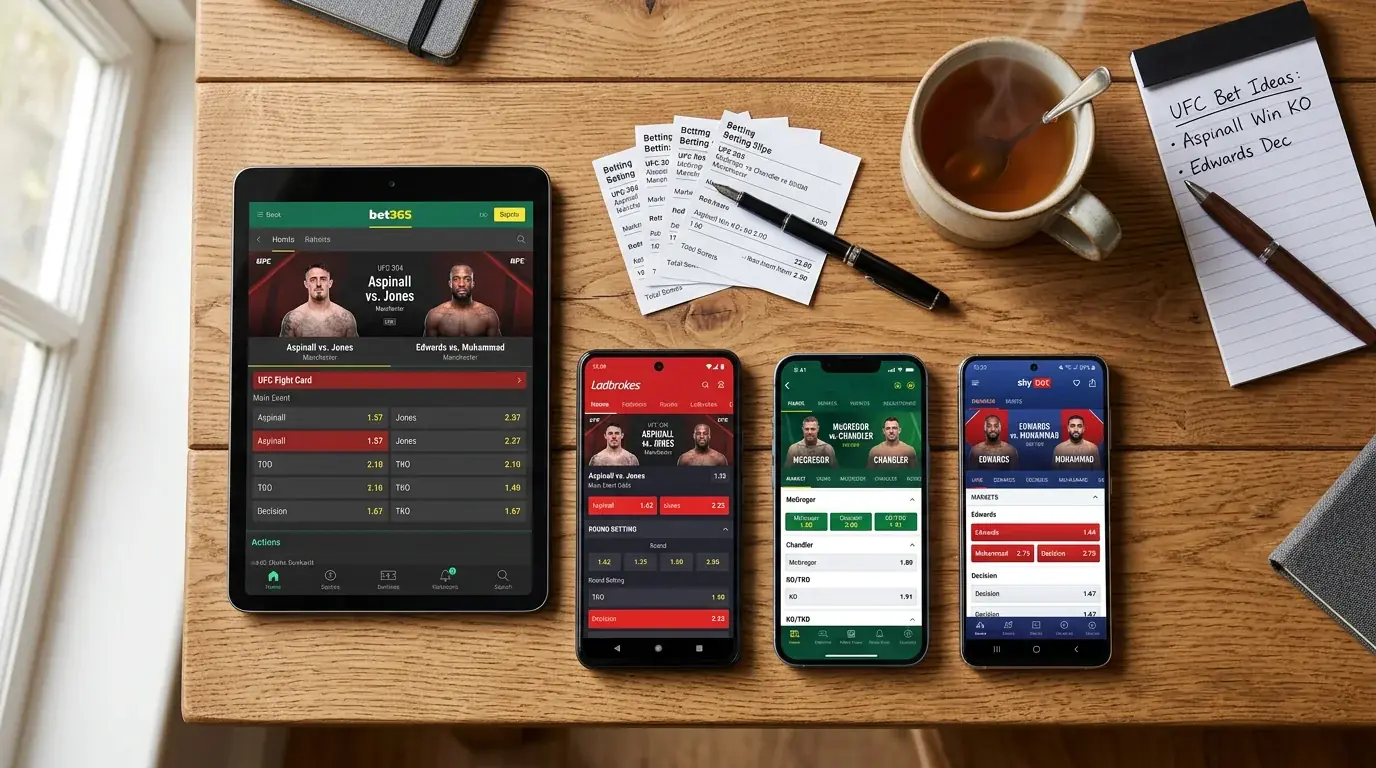
The features that matter most for UFC mobile betting are specific and testable. Speed of market loading when you navigate to a fight card. Availability of the full range of UFC markets on mobile versus desktop — some operators restrict their mobile offerings and don’t advertise the limitation. Push notifications for fight results, line movements, or the start of a fight card. The ability to build multi-leg bets from the mobile interface without switching to desktop. Each of these is either present or it isn’t, and the only way to find out is to test them on fight night before committing significant stakes.
Battery drain during a long UFC card is a practical consideration that nobody mentions. A five-fight main card with live odds tracking and streaming can run your phone flat. I keep a charger within reach on fight nights, but I’ve also learned which apps are more demanding than others. The lighter, faster apps with less visual polish tend to perform better over a four-hour card than the feature-rich interfaces that look impressive in screenshots.
UFC Bet Builders and Same-Game Parlays: Platform Comparison
Same-game parlays changed how I watch UFC cards. Instead of picking a winner at short odds and collecting a small return, I can combine a moneyline pick with a method of victory and a round prop into a single bet that pays five, ten, or twenty times the stake. The excitement is real. The catch — and there’s always a catch — is that the margins baked into these products are substantially higher than on any individual market.
A UFC bet builder, sometimes called a same-game parlay or SGP, lets you combine multiple selections from the same fight into one wager. Fighter A to win by KO/TKO in rounds one or two, for example. The sportsbook calculates a combined price, and all legs must win for the bet to pay out. The appeal is obvious: bigger potential returns from a single fight, and the satisfaction of demonstrating detailed fight knowledge when your specific prediction lands.
Not all platforms offer the same depth of bet builder options for UFC fights. Some restrict combinations to moneyline plus over/under rounds. Others allow method of victory, exact round, fighter-specific props, and even distance bets to be combined. The breadth of available combinations varies by fight card too — headline bouts on numbered events typically have the widest range of bet builder components, while Fight Night preliminary bouts offer fewer options.
The correlation problem is what makes UFC bet builders tricky for the sportsbook and expensive for the bettor. If you bet on Fighter A to win and also bet on the fight to go under 1.5 rounds, those outcomes aren’t independent — a dominant fighter is more likely to finish early. The sportsbook accounts for this correlation by adjusting the combined price downward, sometimes significantly. The result is a combined price that looks attractive in isolation but represents worse value than placing the legs as separate bets, if that were possible. I use bet builders for entertainment stakes and specific conviction plays, not as a core betting strategy. The margin penalty is too steep for regular use.
When comparing bet builder products, the key metric is the correlation adjustment. Place the same combination at two different platforms and compare the combined prices. The difference tells you which operator applies the more aggressive margin, and for regular UFC bet builder users, that difference compounds over a season. Some platforms are 10-15% more generous on SGP pricing than others — a gap worth identifying before you commit to one ecosystem.
Withdrawal Speed, Payment Methods, and Customer Support
A sportsbook that takes your money instantly but returns it slowly is telling you something about its priorities. I’ve used platforms where a deposit clears in seconds and a withdrawal takes five working days, and the asymmetry is not accidental — it’s a business model that profits from the delay, both through continued betting activity and through the interest earned on held funds.
UK payment methods for UFC betting follow the same patterns as other sports betting, but the timing of UFC events adds a wrinkle. If you win a bet at 5 AM on Sunday morning after a Las Vegas main event, you want access to those funds reasonably quickly. The fastest UKGC-licensed platforms process e-wallet withdrawals within hours, even on weekends. Debit card withdrawals typically take one to three working days. Bank transfers can take up to five. The payment method you deposit with often determines the withdrawal speed available to you, so it’s worth considering this before your first deposit rather than discovering the limitations after your first win.
Apple Pay and Google Pay have become standard deposit methods at most UK sportsbooks, but fewer operators support them for withdrawals. PayPal, Skrill, and Neteller remain the fastest options for moving money both ways. The trend in 2026 is toward faster processing across the board — regulatory pressure from the UKGC on responsible gambling includes expectations around withdrawal accessibility — but implementation varies widely.
Customer support quality becomes apparent when something goes wrong, and with UFC betting, the issues tend to arise at inconvenient hours. A fight result disputed by the sportsbook, a voided bet on a fight that ended in a no-contest, or a bet builder that settled incorrectly — these situations need resolution, and they tend to happen at 4 AM UK time. Live chat availability during UFC events, not just during standard business hours, is a meaningful differentiator that most comparison articles overlook entirely. I’ve found that operators with strong UFC betting integrity practices also tend to have more responsive support teams during fight nights, which isn’t a coincidence — both reflect institutional investment in the MMA vertical.
See also: protect your stakes with sound UFC bankroll management principles.
Questions About Choosing a UFC Betting Site
How many UFC betting markets should a good UK sportsbook offer?
A sportsbook suitable for serious UFC betting should offer at minimum moneyline, method of victory, over/under rounds, round betting, and fight props for main card bouts. The best platforms also provide fighter-specific props like significant strikes and takedowns, along with bet builder functionality that allows combining multiple selections from the same fight. Preliminary card fights typically have fewer available markets, but any platform offering only moneyline and total rounds is under-serving UFC bettors.
Do UK bookmakers offer different UFC odds from each other?
Yes, and the differences are often larger than what you see in football or horse racing. UFC is a lower-liquidity sport with less pricing consensus between operators, which means the same fight can carry overrounds ranging from 5% to 12% depending on the sportsbook. Line shopping across three or four UKGC-licensed platforms before placing a UFC bet is the simplest way to improve your long-term return on investment.
Can I use a bet builder for UFC fights at UK sportsbooks?
Several UKGC-licensed sportsbooks now offer UFC bet builders or same-game parlays that let you combine multiple selections from one fight. Available legs typically include moneyline, method of victory, over/under rounds, and sometimes fighter-specific props. The depth of options varies by platform and by fight — headline bouts on numbered events offer the widest selection. Be aware that correlation adjustments mean combined prices carry wider margins than individual bets.
What is the fastest withdrawal method for UFC betting winnings in the UK?
E-wallets such as PayPal, Skrill, and Neteller typically process withdrawals fastest, often within a few hours even on weekends. This matters for UFC bettors because major events frequently end in the early hours of Sunday morning UK time. Debit card withdrawals usually take one to three working days, while bank transfers can take up to five. The payment method you use to deposit often determines your withdrawal options, so choose with both directions in mind.
Published by the bet on ufc Fights team.